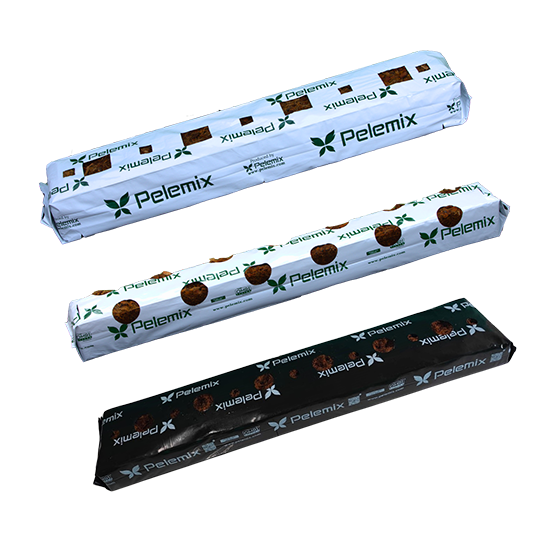
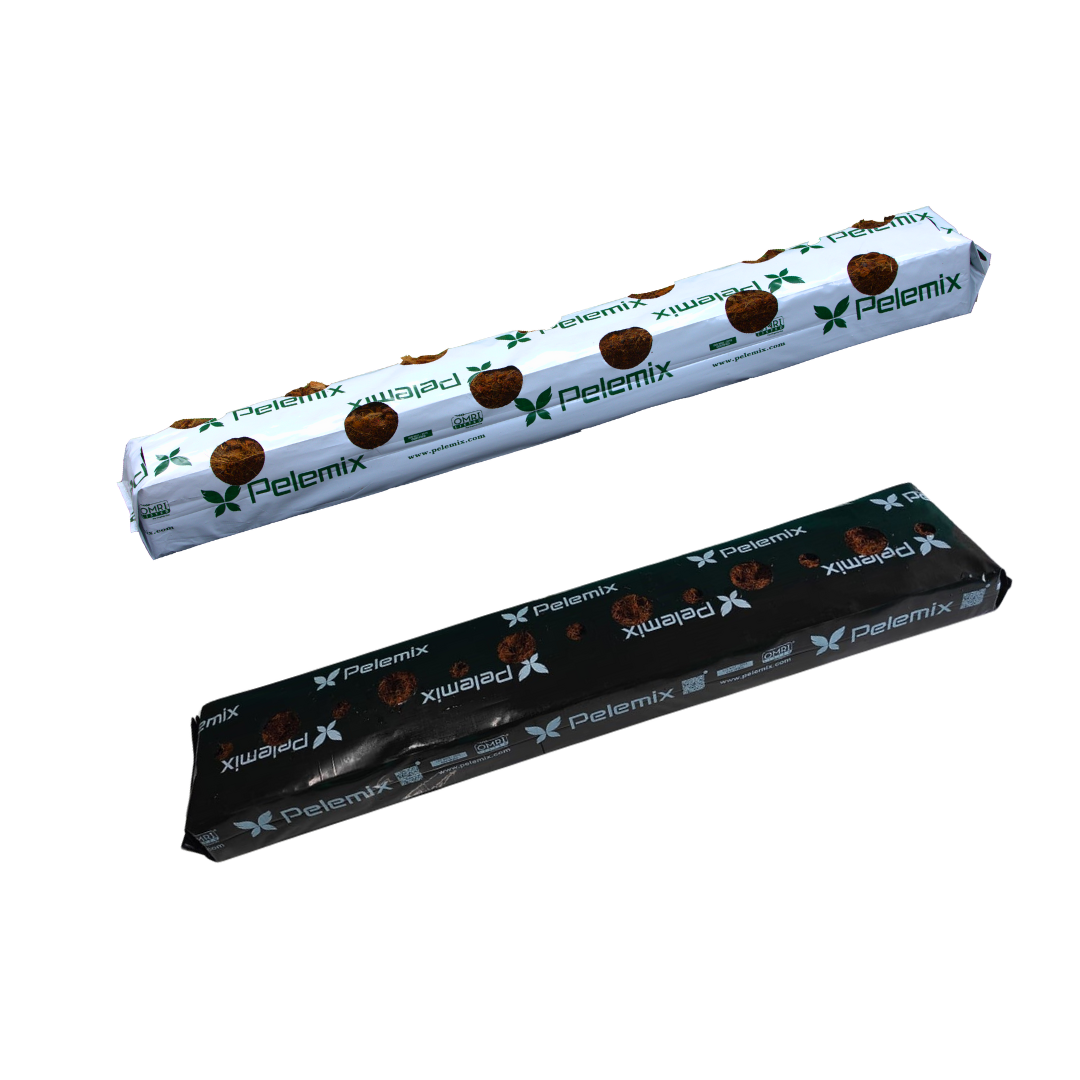
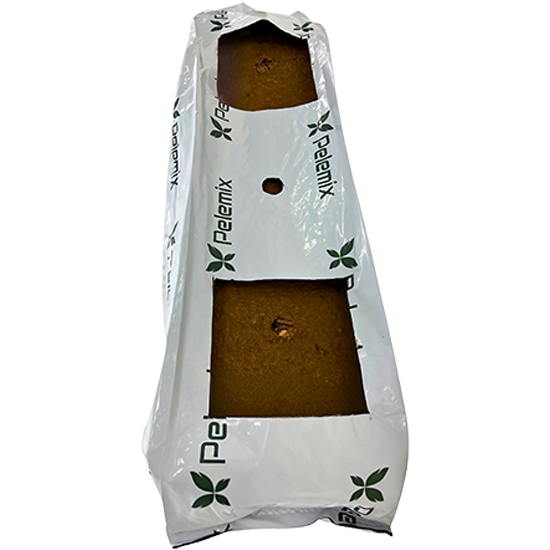
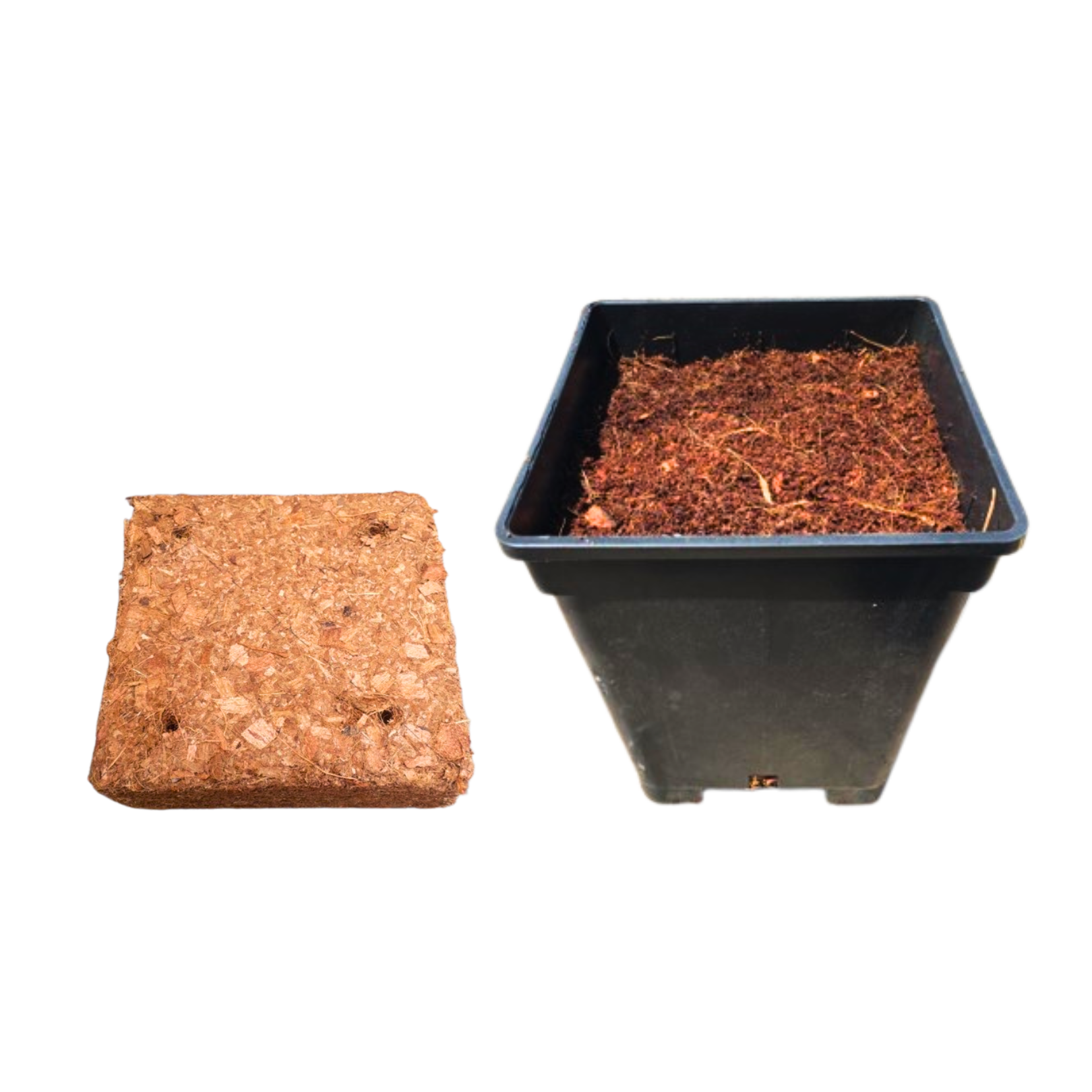
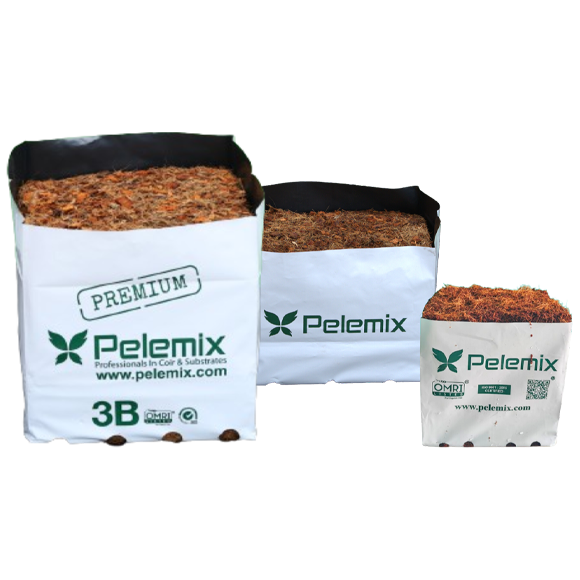
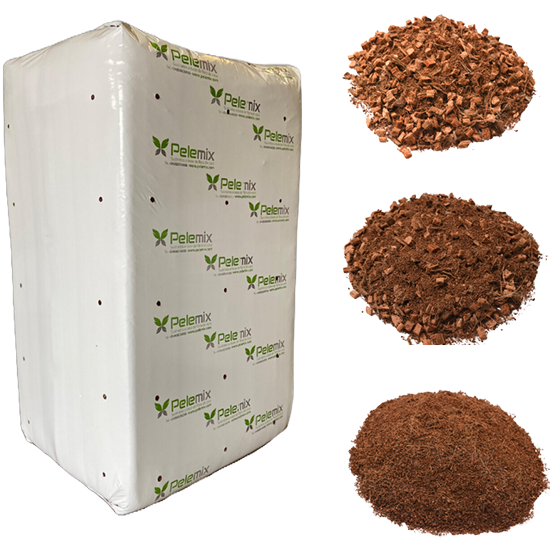
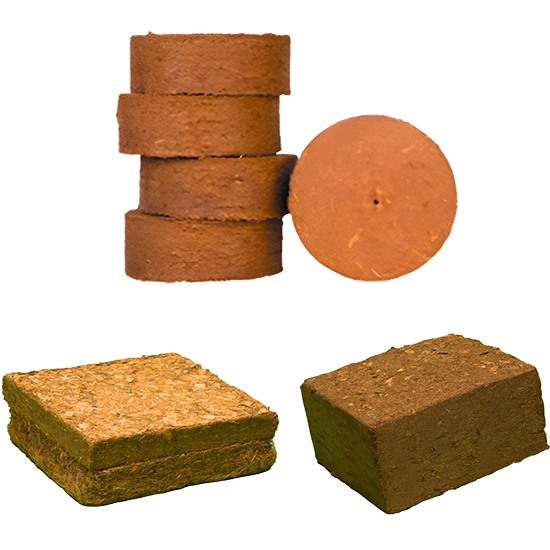
Raspberry (Rubus idaeus L.) is a high-value berry crop whose production success depends heavily on the growing medium. Traditionally cultivated in soil, raspberries often suffer from soil-borne diseases, inconsistent nutrient distribution, and poor drainage, which can compromise both yield and fruit quality. As highlighted by Daoud, Butera, and Duarte (2024), the shift toward soilless substrate systems has become a defining innovation in modern raspberry cultivation, addressing many of these limitations.
The key difference between soil and soilless culture lies in the degree of control over root-zone conditions. In soil systems, nutrient and water availability are influenced by environmental  variability, making crop performance less predictable. In contrast, soilless substrates such as coco coir, peat alternatives, or blended organic media allow growers to apply precise fertigation regimes. By carefully managing electrical conductivity (EC) and pH, it becomes possible to optimize water uptake and nutrient uptake while minimizing waste. This precision enhances plant vigor, uniform fruit size, and higher marketable yields.
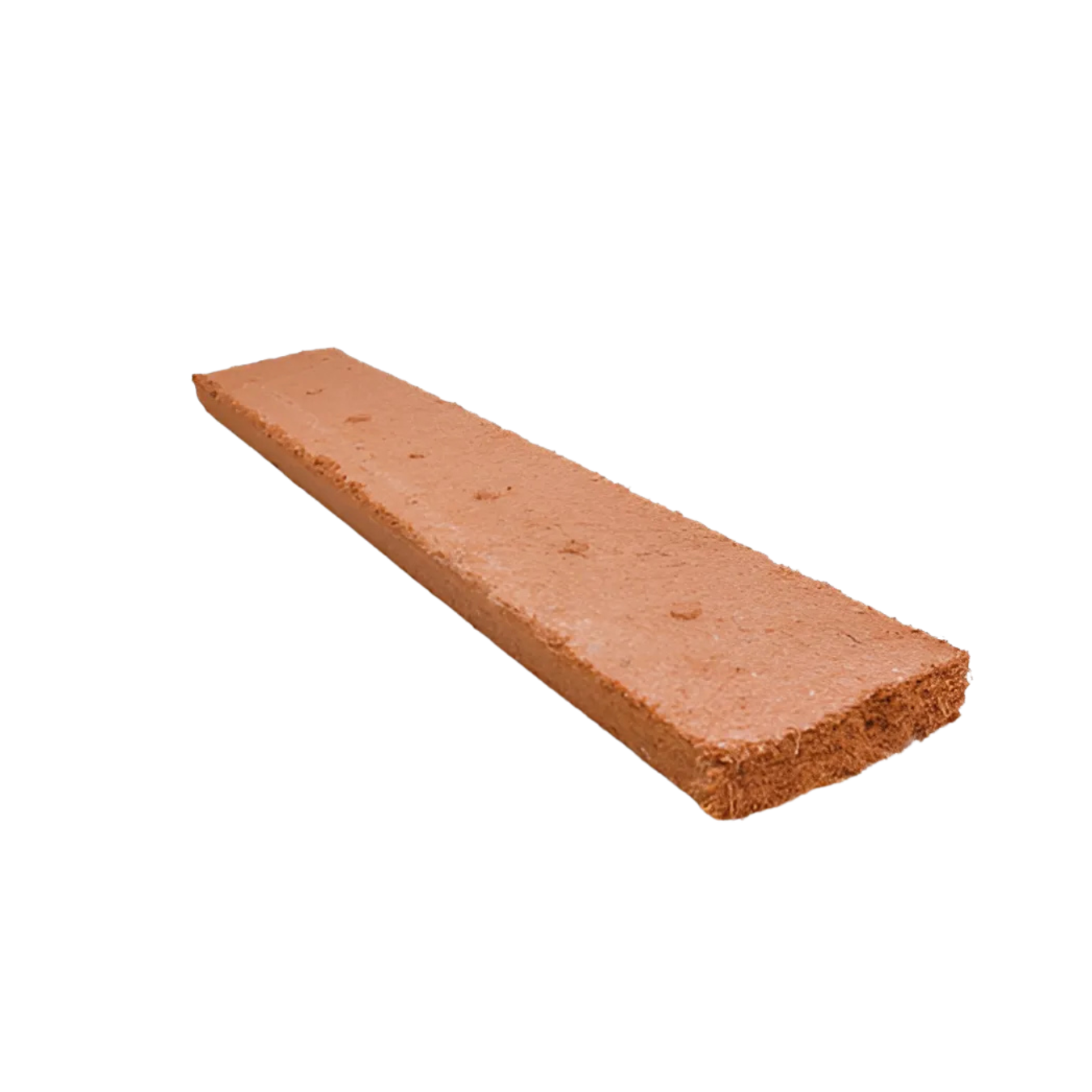
Beyond productivity, soilless systems offer substantial sustainability benefits. Substrates like coco coir are renewable and reduce dependency on peat extraction, which carries environmental costs. Moreover, the uniform structure of coir improves aeration and drainage, creating a healthier rhizosphere and reducing the risk of root stress.
Another important dimension is fruit quality and postharvest performance. Raspberries grown in optimized substrates tend to have higher firmness, better shelf life, and in some cases elevated levels of bioactive compounds such as antioxidants and phenolics. These qualities respond to the increasing consumer demand for nutritionally rich and sustainable produce.
Overall, the adoption of soilless substrate systems marks a strategic shift in raspberry production. By overcoming the limitations of soil, these systems provide greater resilience, sustainability, and quality outcomes, ensuring that raspberries remain a competitive and profitable crop in modern horticulture.
Reference
Daoud, H.B.H., Butera, M.R., & Duarte, J.P.R. (2024). Perspective Chapter: Growing Berries in Substrate. In Growing Berries in Substrate. IntechOpen.