




Chat WhatsApp
Envoyez-nous un message aujourd'hui et nous vous contacterons dans les plus brefs délais.
Grow-Bags-Solutions
Sacs de culture
Sacs de culture de pointe pour une culture optimale des légumes et des fruits rouges.
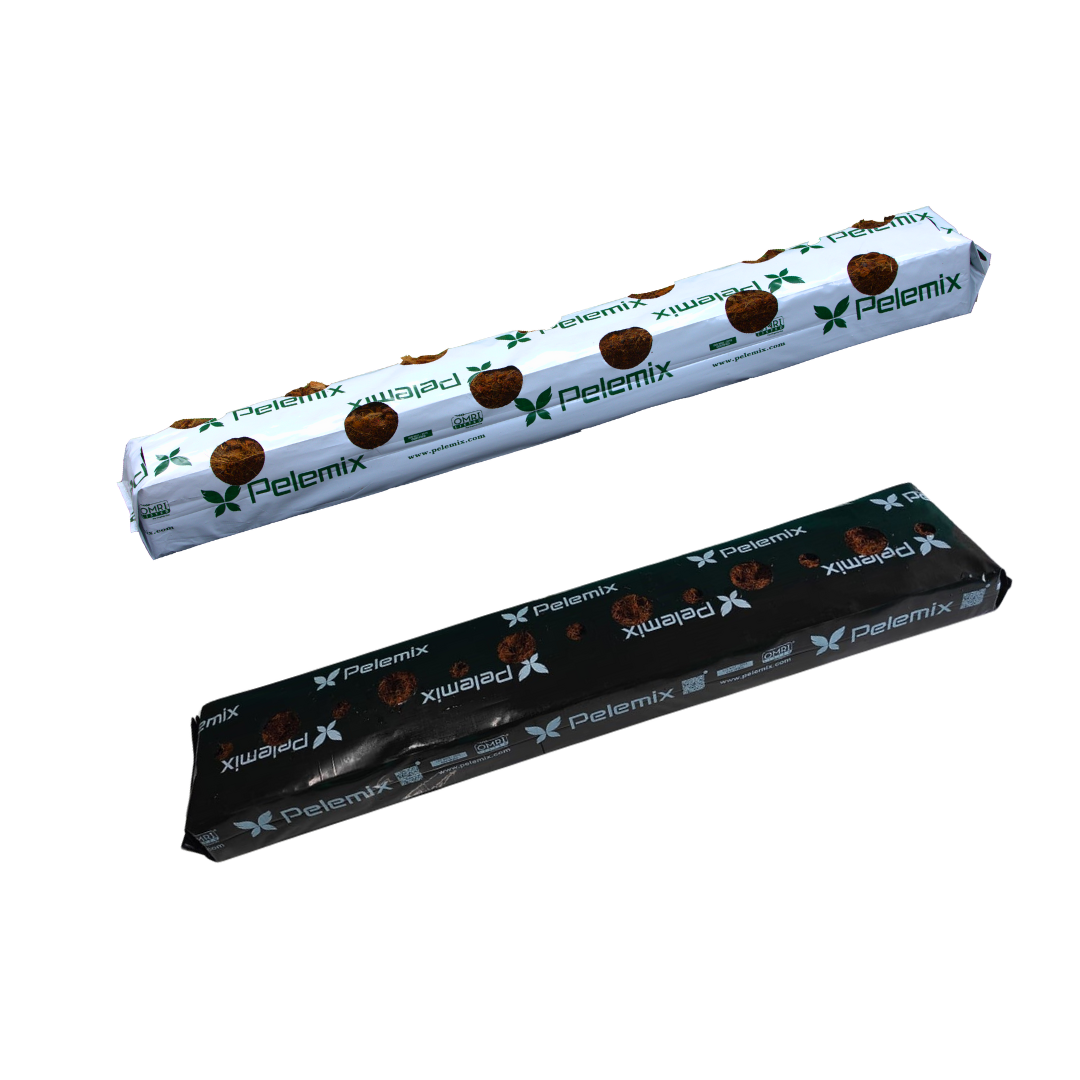
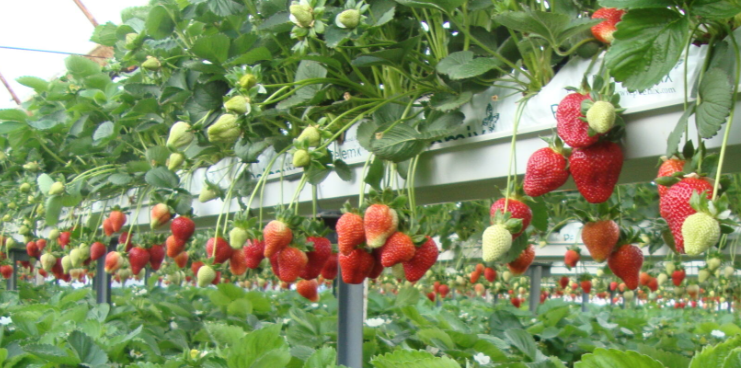
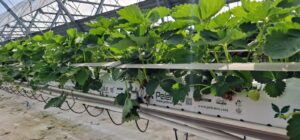
Growbags for berries (strawberries)
Sacs de culture pour baies
La culture des fraises simplifiée grâce aux sacs de culture Pelemix
Growbags for vegetables
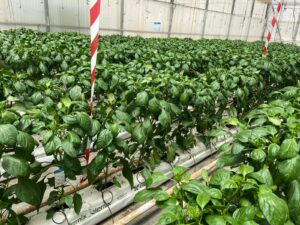
Sacs de culture pour légumes
Améliorez la culture des légumes avec une variété de mélanges de fibres de coco pour répondre à vos besoins...
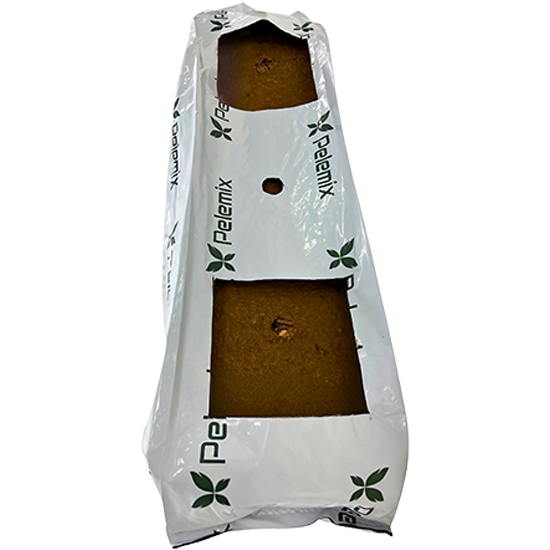
Growbagss with filters
Puretech
Maximisez l'efficacité avec Puretech Cococoir
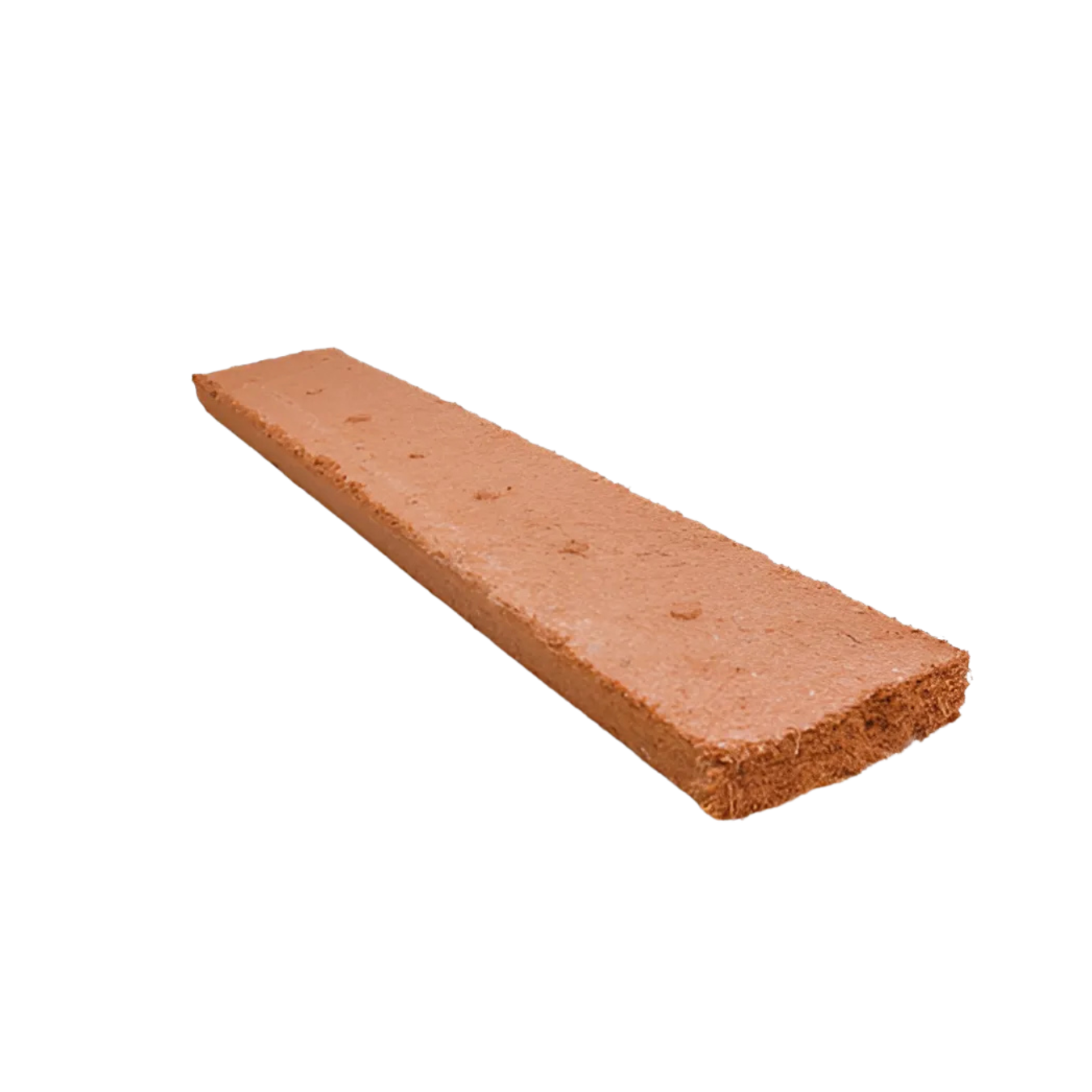
GROWSLABS
dalles de culture
Solution de dalles adaptée à vos besoins.
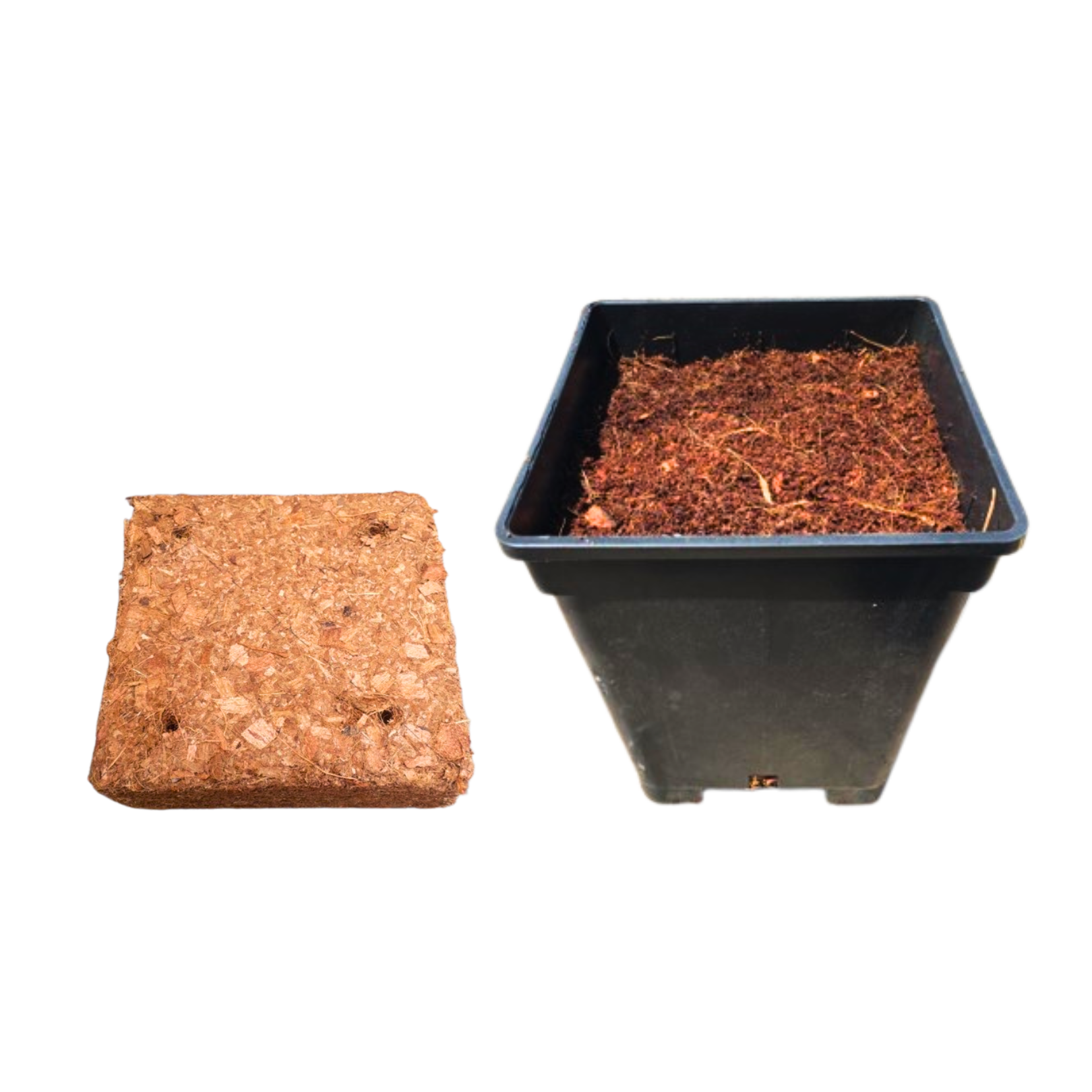
fit to pot
Adapté au pot
Solutions de substrat de coco personnalisables avec Pelemix Fit to Pot

Open-Tops---product-image
Hauts ouverts
Des solutions efficaces et sur mesure pour diverses cultures
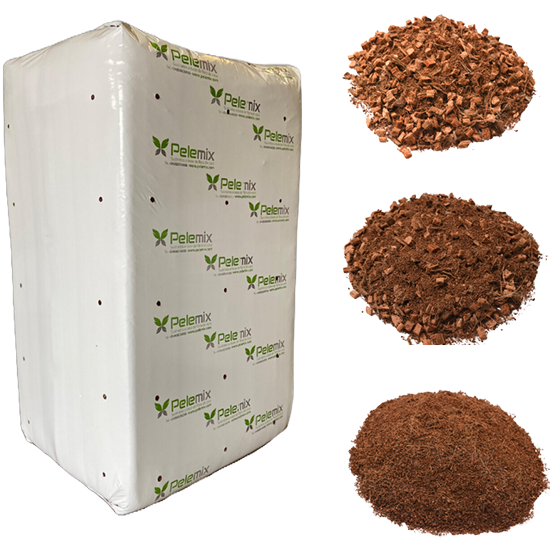
Loose - Blend
Lâche/Mélange
Atteignez l'excellence avec nos mélanges personnalisés et nos substrats en vrac
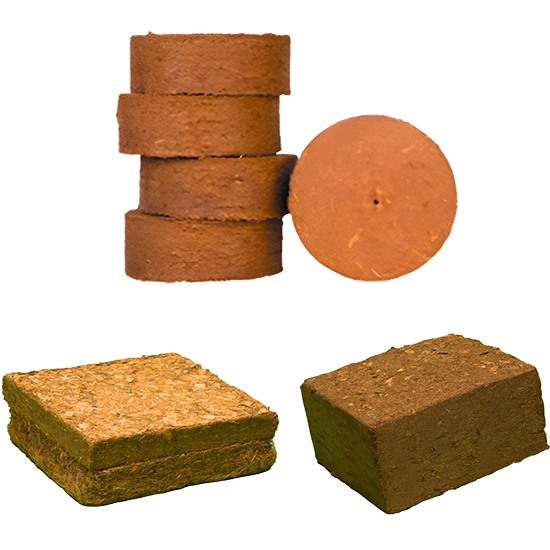
coco coir bricks
Briques/Blocs/Balles
Sélection de produits en fibre de coco qui redéfinissent les milieux de culture.
Grow cubes - pelemix
Cubes de culture
L'équilibre parfait adapté aux besoins de votre culture.

Climate change and Strawberries: How to protect the crop today

Global warming isn’t just about hotter summers. It’s also about sharp, erratic changes in weather, unexpected cold periods, heatwaves in winter, or weeks without sun. For strawberry growers, these climate « mood swings » are turning into real threats, especially during flowering and fruit development.

The new normal: Climate Whiplash

What used to be predictable growing seasons are now a game of roulette. Just a few unseasonal cloudy or cold days can:

  • Delay flowering
  • Reduce pollination
  • Impact fruit set and sugar accumulation

On the flip side, sudden heatwaves in spring can cause:


  • Early flowering before plants are ready
  • Scorching of flowers and soft berries
  • Increased vulnerability to pests like spider mites


Why Strawberries are so sensitive

Strawberries are « photoperiod-sensitive » and highly tuned to daylength, light quality, and moderate temperatures. Their physiology is designed for stability, so sudden changes interrupt everything:

  • Photosynthesis drops during cloudy days, reducing sugar production.
  • Cold spikes in spring can damage young buds or slow down root activity.
  • Excess heat reduces berry firmness and shortens shelf life.

As a result, the impact on fruit can be harmful:

  • 🌫️ Reduced solar radiation for just 3–4 days can decrease total soluble solids in fruit by up to 15–20%.
  • 🌡️ Sudden heat stress during flowering can cause 20–40% fruit drop.
  • ❄️ Late cold spells trigger dormancy relapse or malformed fruits due to incomplete pollination.

Tips for growers

  1. Use row covers or shade nets proactively, not reactively.
  2. Track microclimate shifts with local weather sensors.
  3. Time calcium nitrate or boron foliar sprays just before stress events (helps harden cell walls & support flowering).
  4. Ensure draining substrate and air flow in the bag to prevent waterlogging.
  5. Keep an eye on flowering synchrony, split bloom leads to split harvest.

Conclusion

Strawberries may be sweet, but growing them in 2025 means navigating bitter climate uncertainty. Global warming is no longer a slow drip, it’s a rollercoaster. And sometimes, just 3 cloudy days can mean the difference between profit and loss.


Stay informed with the latest news and trends in sustainable and successful cultivation practices
Restez informé des dernières nouvelles et tendances en matière de pratiques de culture durables et réussies