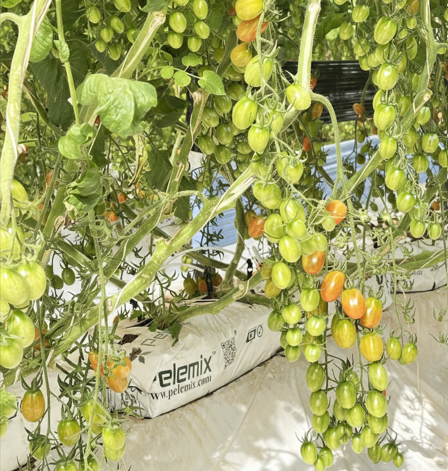
In modern agronomy, we no longer analyze Tomato Brown Rugose Fruit Virus (ToBRFV) solely in terms of its pathogenicity, but rather in terms of the resilience of the cropping system itself. The question we must ask is not whether the virus will arrive, but what response capacity our infrastructure will have when it does.
The vulnerability of the modern greenhouse
ToBRFV has characteristics that make it a particularly insidious threat to protected crop production. Its mechanical transmission makes it extremely contagious: any direct or indirect physical contact can trigger an outbreak. The virus enters the greenhouse through multiple vectors: technical staff, tools, infected plant material, and even contaminated substrate particles attached to footwear or work clothing.
Once established, ToBRFV demonstrates exceptional stability, remaining viable for months on inert surfaces and dried plant material. This persistence turns every routine crop operation into a potential exponential dispersal event.
The difference between maintaining profitability and facing total seasonal collapse lies in the system’s sanitation capacity:
- Soil: The inoculum reservoir
In traditional cultivation, soil acts as a biological “memory.” The virus persists not only on the surface but also deep within lignified root residues and the soil structure itself. As infected roots decompose, they gradually release viral particles that remain viable for extended periods, creating reinfection foci that may activate in subsequent cycles.
Chemical or thermal disinfection rarely achieves 100% effectiveness, especially in deeper layers.
Risk: Latent reinfestation. In soil, the virus is not a visitor; it is a nearly permanent tenant inherited cycle after cycle.
- Hydroponics (Coco Coir): The biological firewall
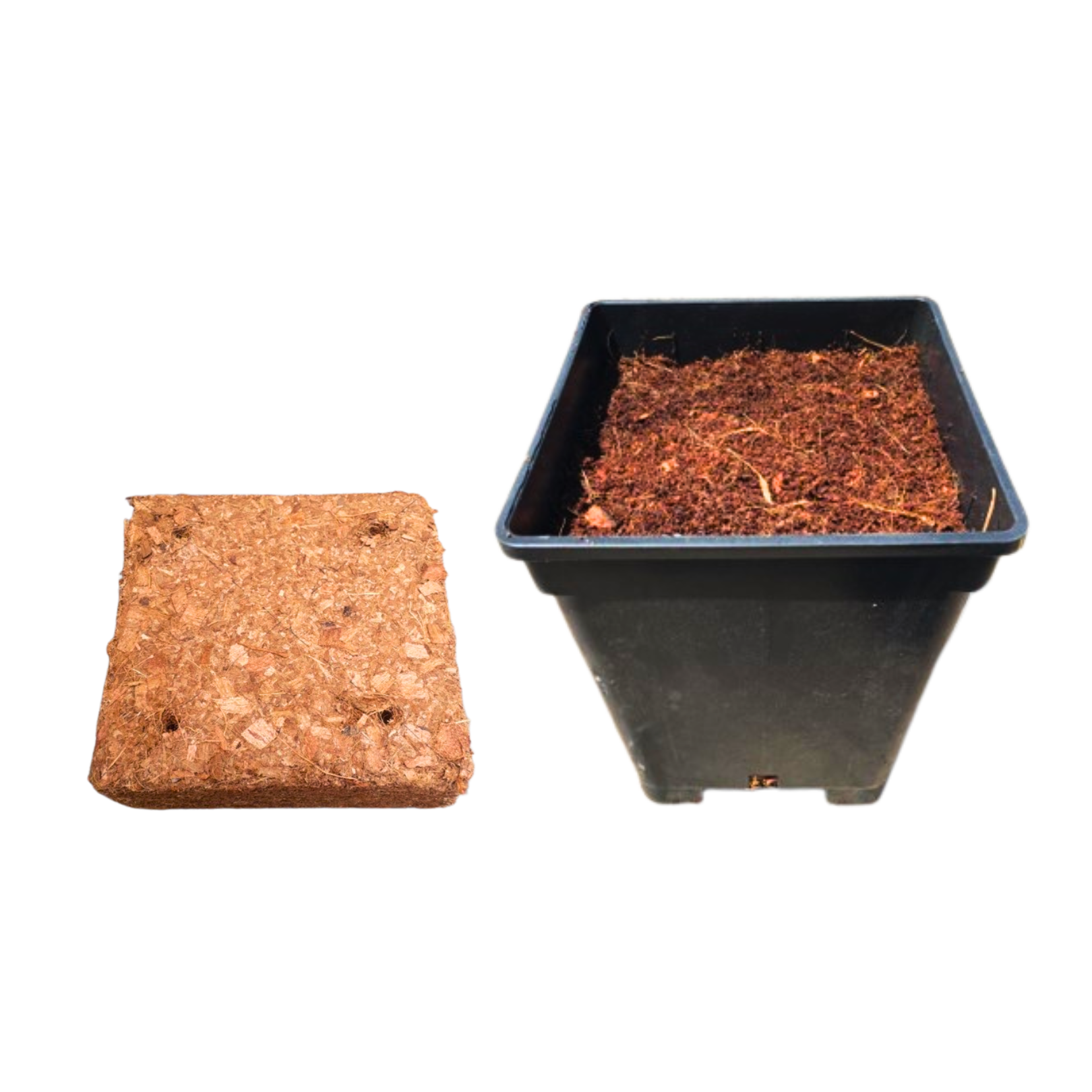
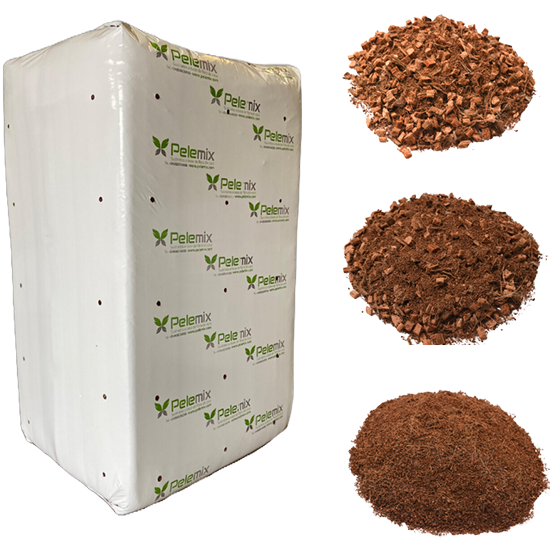
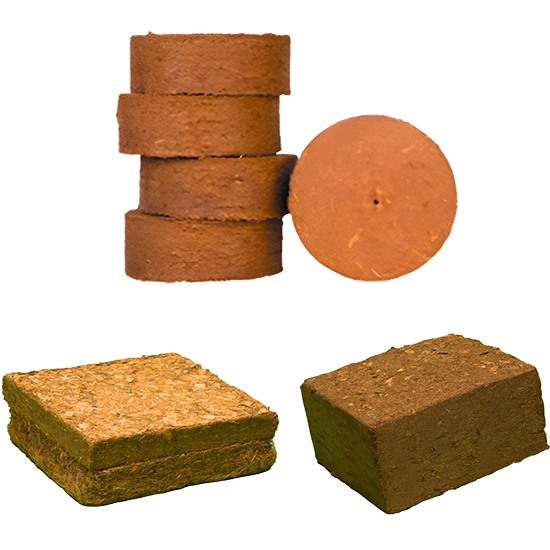
In the face of soil uncertainty, coconut coir substrate offers complete technical control. When an outbreak is detected, intervention is surgical in precision:
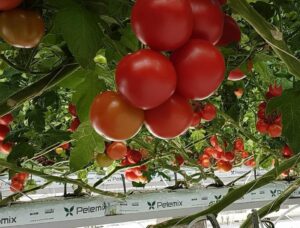
System reset: Physical removal of the infected substrate, full disinfection of the structure, and immediate restart with inert and sterile material.
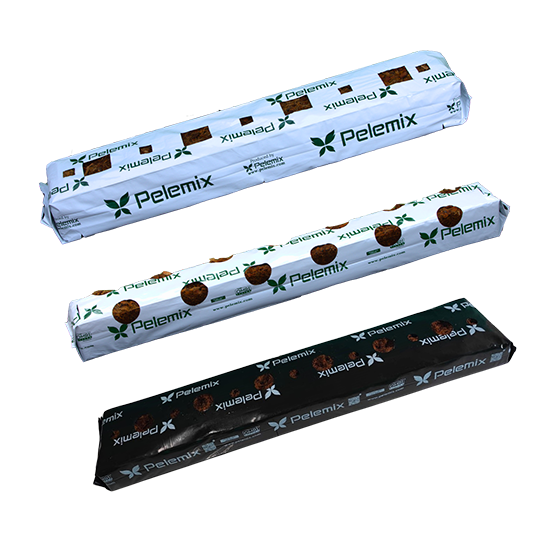
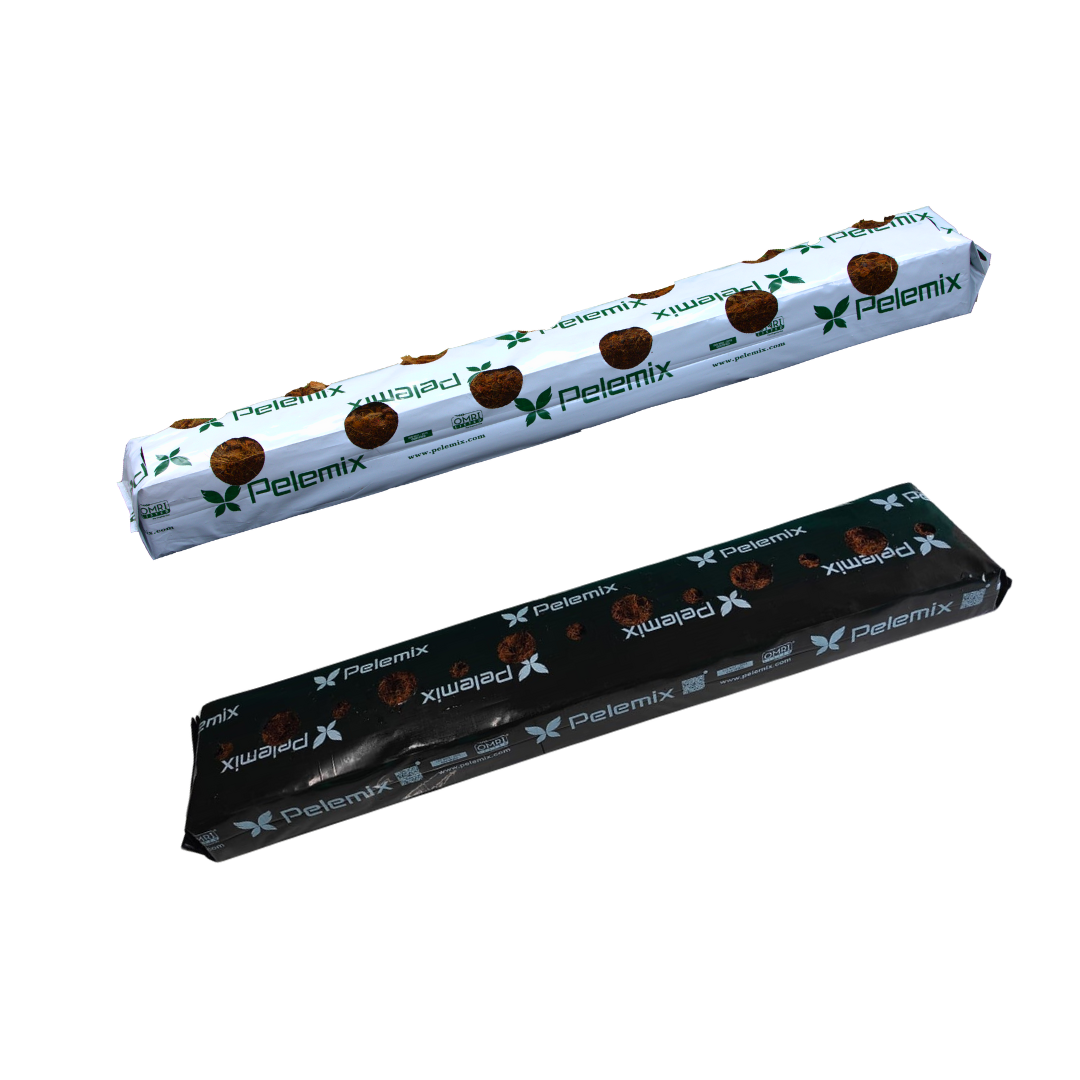
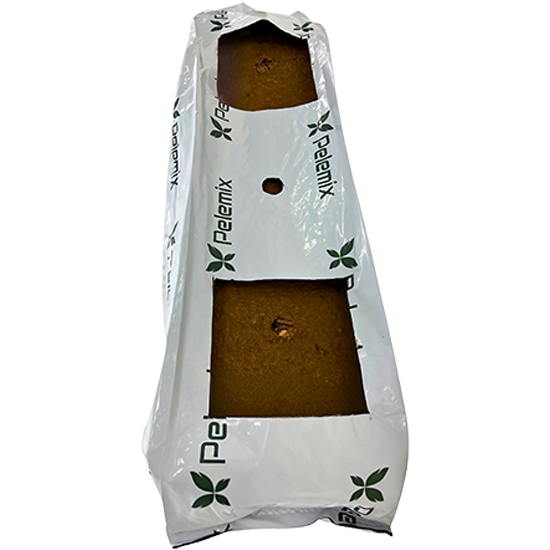
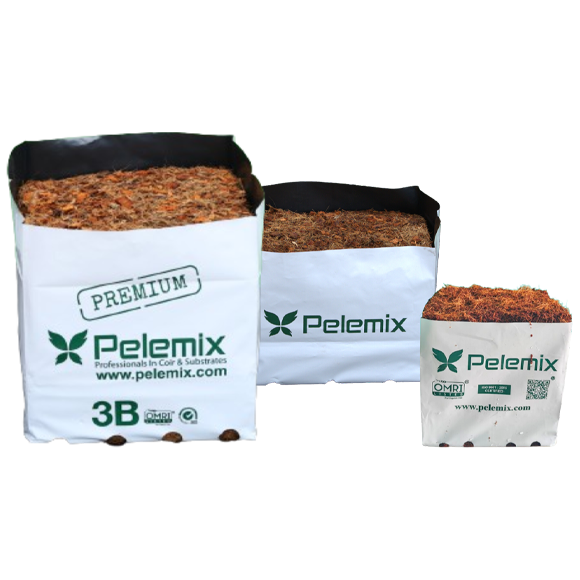
The key lies in the fact that, although infected roots can also maintain the virus in coconut substrate, the fundamental difference is the ability to completely eliminate contaminated material. Each bag or container can be entirely removed, taking with it both infected roots and the medium where the virus could persist.
Advantage: The substrate acts as a sanitary barrier, allowing a radical break in the epidemiological cycle.
As our colleague Javier Cánovas Mateos, Agronomic Engineer at Pelemix, notes:“The greatest advantage of hydroponics in biosecurity against rugose virus is the ability to reset the system. In soil, the virus is a tenant; in coconut coir, it is a problem that leaves with the bag.”
Conclusion
The transition to hydroponics should not be understood solely as an optimization of water and nutrient resources. Above all, it is a risk management strategy—and your best insurance policy against persistent viruses.
Do not let ToBRFV determine the future of your crop. Standardize your biosecurity.