Midday and strong summer heat have become common nowadays, and it’s often a silent killer in the greenhouse. While we focus on air temperature, the real action happens underground. Sometimes we tend to forget about the roots environment. Research reveals that cooling the “feet” of your plants is the single most effective way to boost performance in hot climates.
The oxygen crisis
The relationship between water and oxygen is governed by temperature. At 20°C, water holds approximately 9 mg/L of Dissolved Oxygen (DO). However, as the temperature climbs to 30°C, that supply drops to less than 6 mg/L. This creates a deadly “pincer move” for your plants: as substrate heat rises, root respiration demand increases dramatically at the exact moment the oxygen supply is plummeting. Without enough oxygen, roots simply cannot function.
Protecting the root tips
Nutrient transport, specifically Calcium (Ca2+), relies on active uptake through healthy root tips. When substrate heat exceeds 26°C, it begins to damage the leaves. This damage is one of the reasons that triggers physiological disorders. By maintaining a cooler root zone, you protect these “nutrient engines,” ensuring firm fruit and healthy membranes.
Lessons from the greenhouse
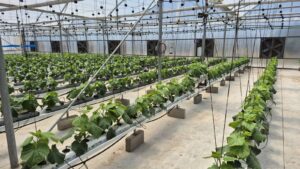
A multi-year study on hydroponic cucumbers demonstrated the power of root zone temperature control. Researchers compared plants grown at a standard summer root zone temperature of 33°C against those cooled to 22°C, 25°C, and 28°C. The results were staggering:
Yield Explosion: Plants at 22°C produced a 74.3% increase in yield compared to the uncooled control.
Vitality: Cooled plants were taller, had more leaves, and had significantly higher chlorophyll content.
Nutrient Efficiency: Cooling led to a significant increase in the uptake of Nitrogen, Potassium, and Calcium.
The small-volume solution
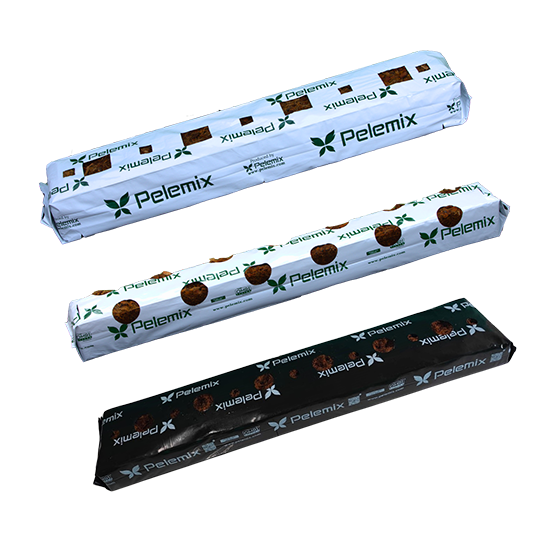
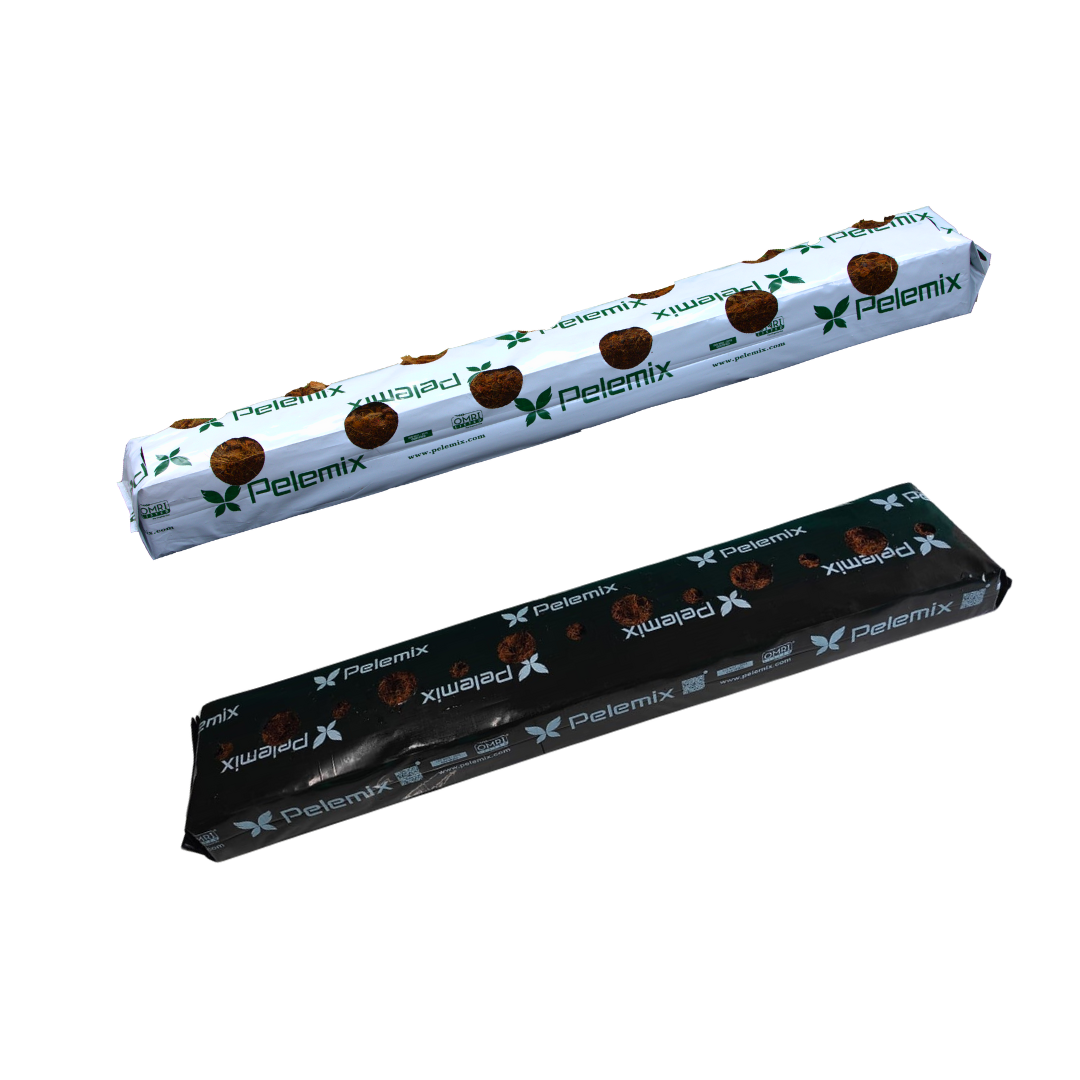
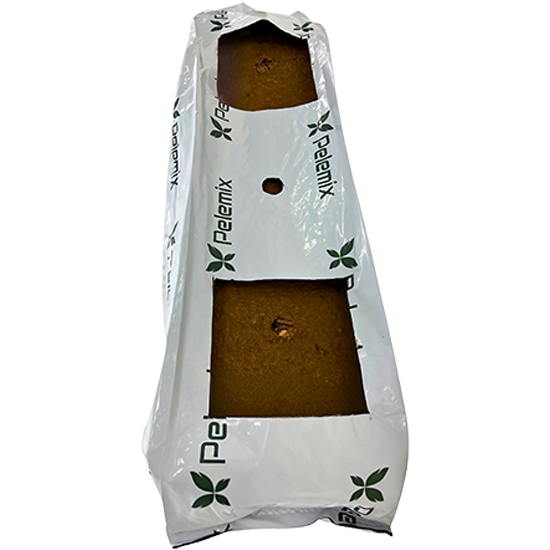
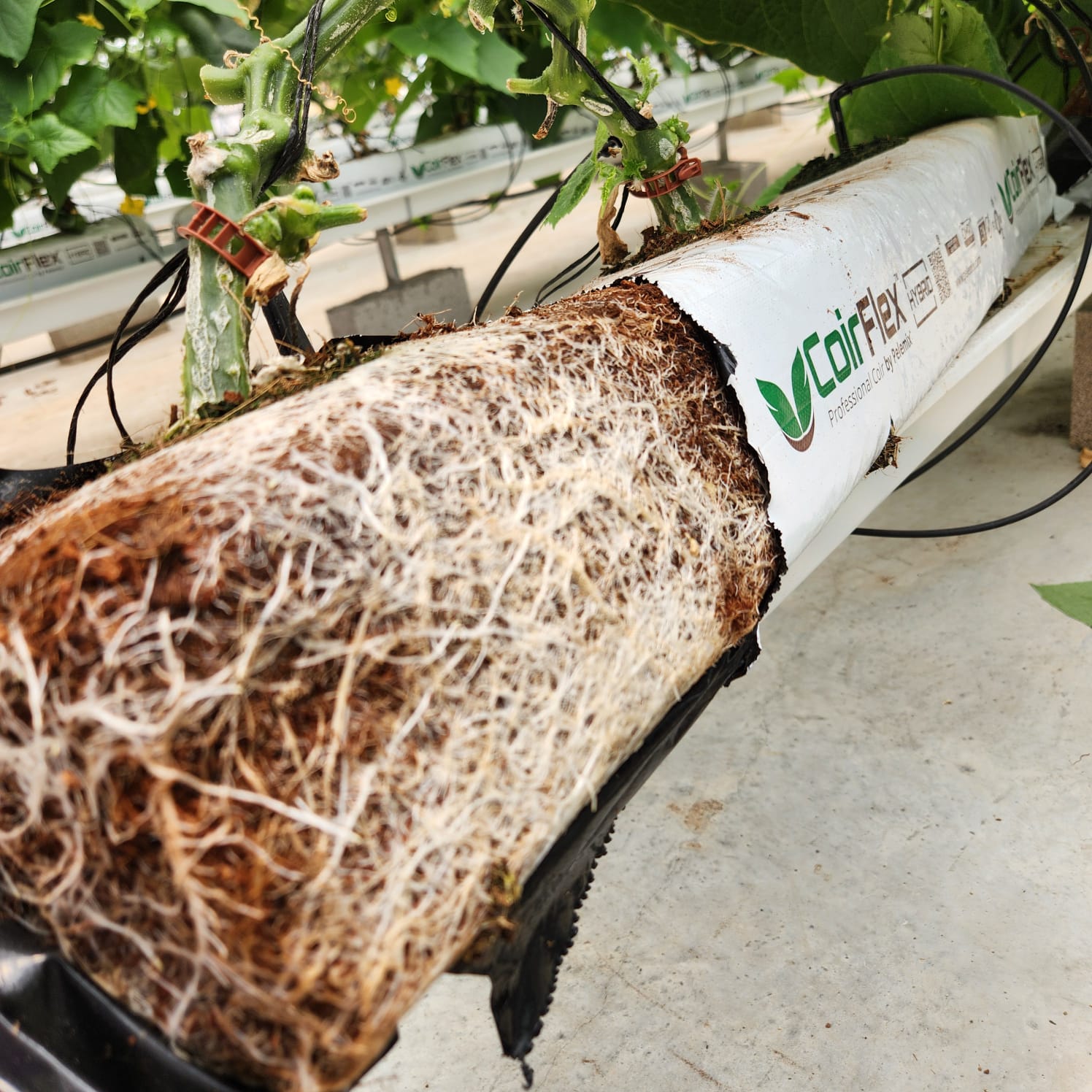
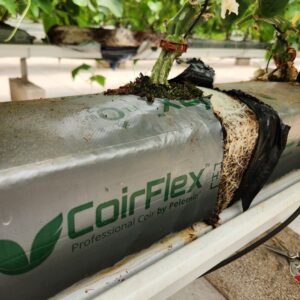
Growers often worry that small substrate volumes are more prone to overheating. However, some studies show that even in smaller volumes such as polyfoam pots or bags filled plants can thrive if the temperature is managed. The key is the irrigation pulse: Using ~20°C nutrient solution during peak solar hours acts as an internal cooling pulse for the growbag. This pulse resets the substrate temperature, flushes out stagnant air, and maintains the integrity of the root system even when outside air temperatures are extreme.
Recommendation for success
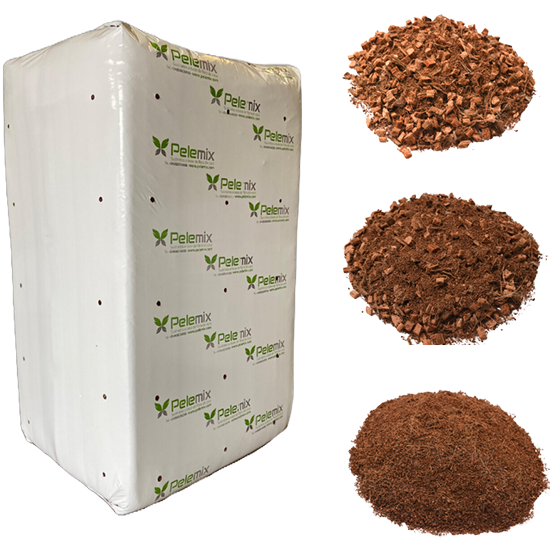
To replicate these results, use a recirculating hydroponic system with a high-drainage medium like PRO7030 (70%chips and 30%pith). This will ensure consist supply of oxygen into the root zone. Another important practice is to prevent the water from getting hot in several ways: well-protected and covered tanks, white and underground covered irrigation pipes, or, in some cases, using external chillers. While ensuring some of those actions, it’s important to apply multiple irrigation pulses throughout the day. That will ensure the cool reaches the entire root mass quickly. By keeping your root zone between 22°C and 25°C, you turn a summer struggle into a record-breaking harvest.
Source information:
Al-Rawahy, M. S., Al-Rawahy, S. A., Al-Mulla, Y. A., & Nadaf, S. K. (2019). Effect of Cooling Root-Zone Temperature on Growth, Yield and Nutrient Uptake in Cucumber Grown in Hydroponic System During Summer Season in Cooled Greenhouse. Journal of Agricultural Science.
Zheng, Y., et al. “An Upper Limit for Elevated Root Zone Dissolved Oxygen Concentration for Tomato.” Scientia Horticulturae, vol. 113, no. 2, 2007, pp. 162–165.