




Chat de WhatsApp
Envíenos un mensaje hoy mismo y nos pondremos en contacto con usted lo antes posible.
Grow-Bags-Solutions
Bolsas de cultivo
Bolsas de cultivo de última generación para un cultivo óptimo de hortalizas y bayas.
Growbags for berries (strawberries)
Bolsas de cultivo para bayas
Cultivar fresas es fácil con las bolsas de cultivo Pelemix
Growbags for vegetables
Bolsas de cultivo para hortalizas
Mejore el cultivo de hortalizas con una variedad de mezclas de coco para satisfacer sus necesidades...
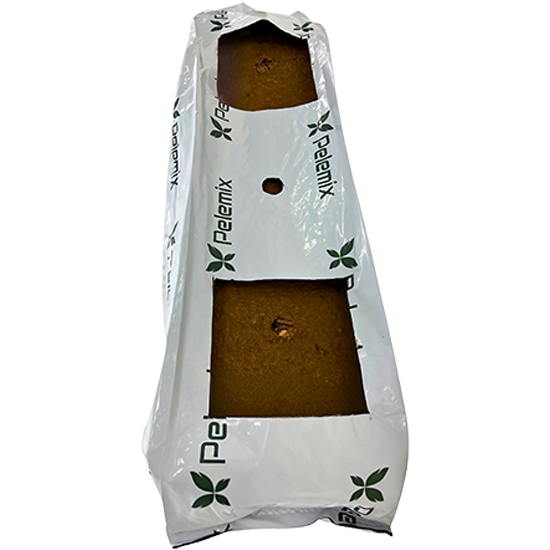
Growbagss-with-filters
Puretech
Maximice la eficiencia con Puretech Cococoir
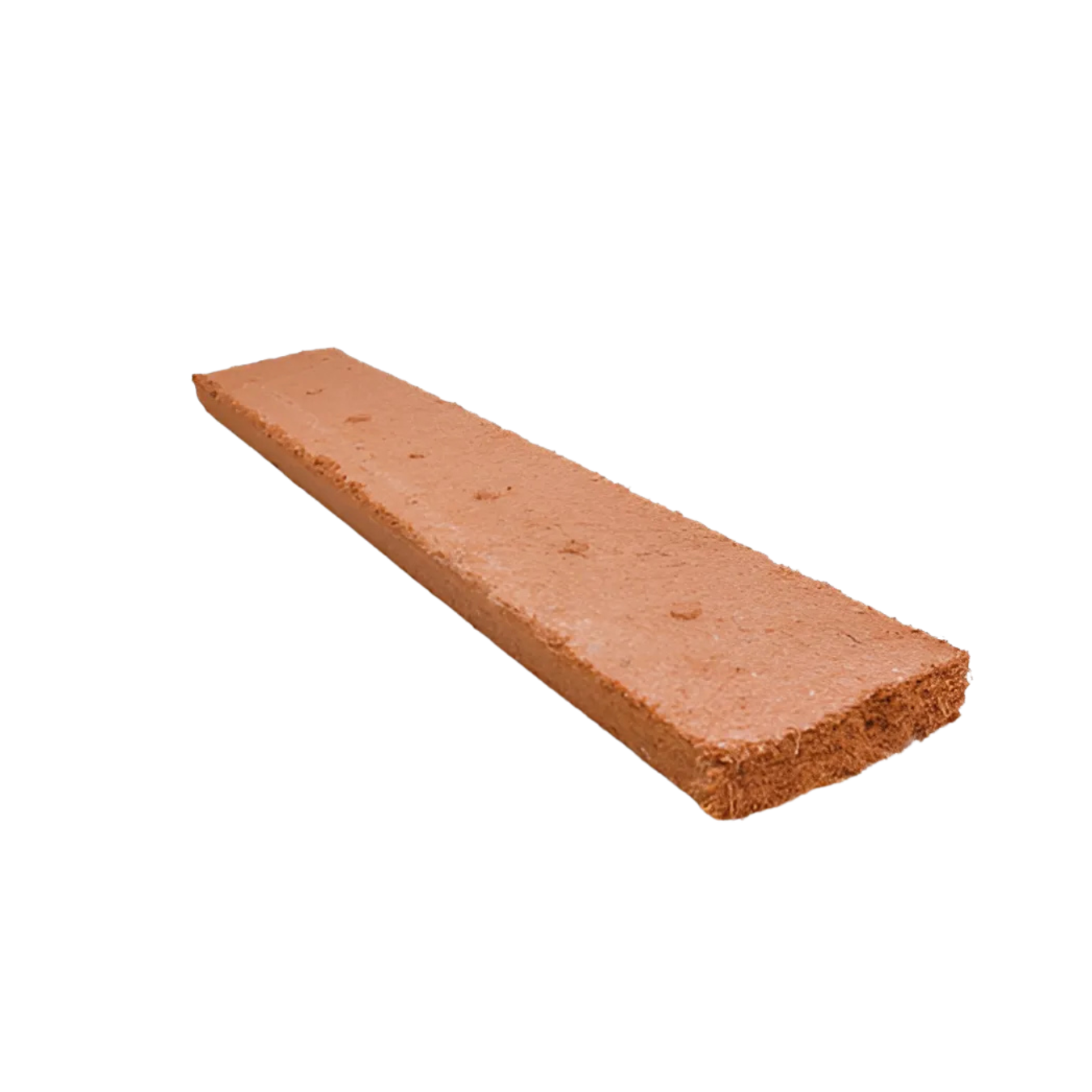
GROWSLABS
Losas de cultivo
Solución de losas a la medida de sus necesidades.
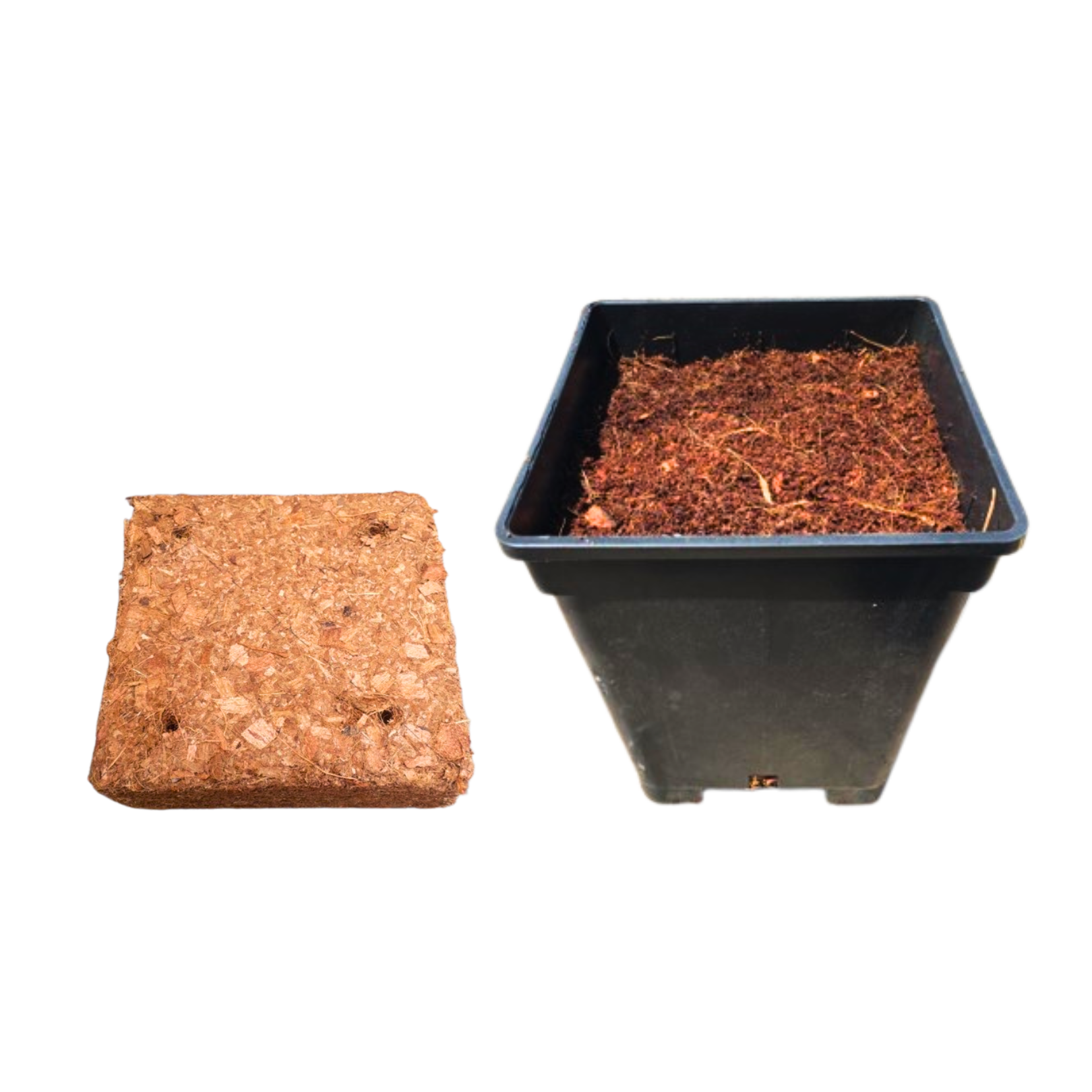
fit to pot
Fit to Pot
Soluciones de sustrato de coco personalizables con Pelemix Fit to Pot
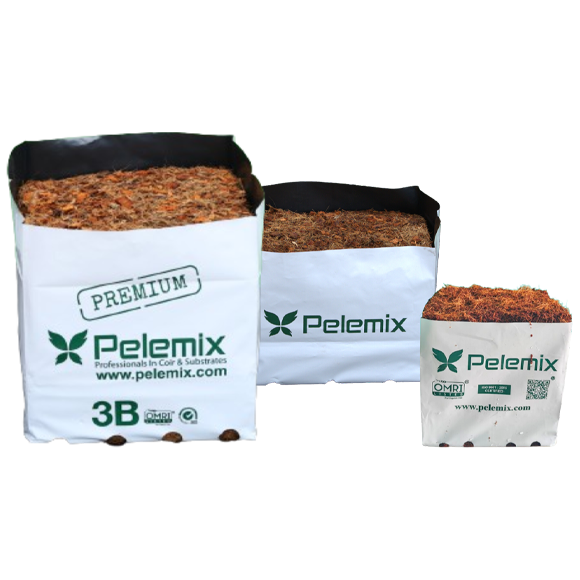
Open-Tops---product-image
Tapas abiertas
Soluciones eficaces y a medida para diversos cultivos
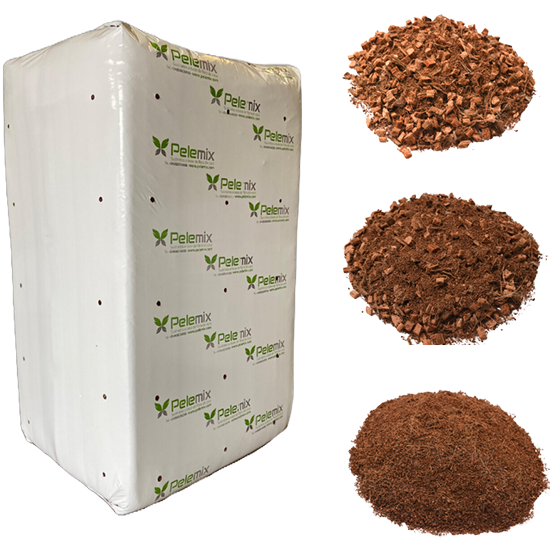
Loose - Blend
Suelto/Mixto
Alcance la excelencia con nuestras mezclas personalizadas y sustratos sueltos
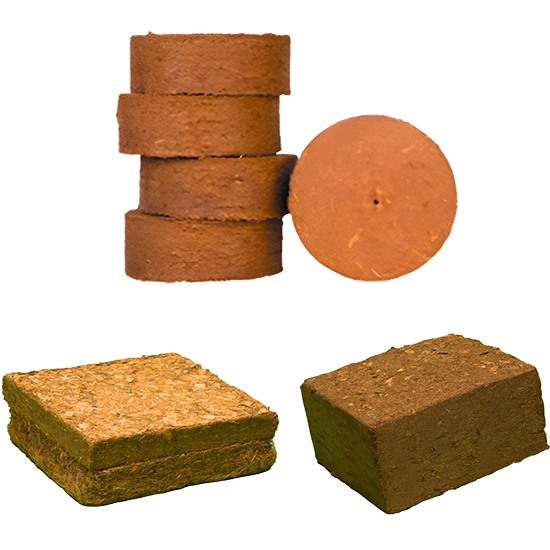
bales-main
Ladrillos/Bloques/Pacas
Selección de productos de coco que redefinen los sustratos de cultivo.
Grow-Cubes
Cubos de cultivo
El equilibrio perfecto adaptado a las necesidades de su cultivo.

ToBRFV: Persistent Inoculum or Efficient Crisis Management?

In modern agronomy, we no longer analyze the Tomato Brown Rugose Fruit Virus (ToBRFV) solely through its pathogenicity, but through the resilience of the cultivation system itself. The question we must ask is not whether the virus will arrive, but what response capacity our infrastructure has when it does.

The difference between maintaining profitability or facing a total seasonal collapse lies in the system’s sanitation capacity:

  1. Soil: The Inoculum Reservoir: In traditional cultivation, the soil acts as a biological «memory.» The virus persists in lignified root remains and within the soil structure itself, where chemical or thermal disinfection rarely achieves 100% efficacy.

          The Risk: Latent re-infestation. In soil, the virus is not a visitor; it is a perpetual tenant inherited cycle after cycle.

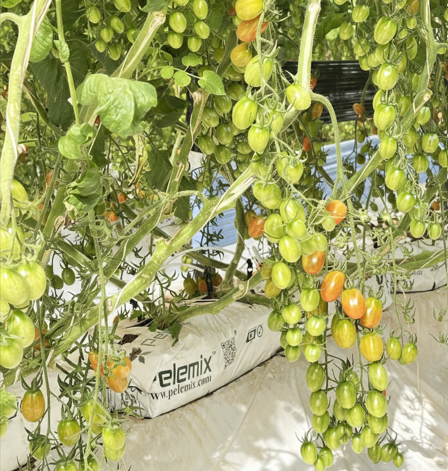
  1. Hydroponics (Coco Coir): The Biological Firewall: Faced with the uncertainty of soil, coconut fiber substrate offers absolute technical control. Upon detection of an outbreak, the intervention is surgically precise:

          Systemic Reset: Physical removal of the infected substrate, comprehensive disinfection of the structure, and an immediate restart with inert, sterile material.

          The Advantage: The substrate functions as a sanitary insulator, allowing the epidemiological cycle to be broken radically.

As our colleague Javier Cánovas Mateos, Agronomist at Pelemix, points out:

«The greatest biosecurity advantage of hydroponics against Rugose is the ability to reset the system. In soil, the virus is a tenant; in coconut fiber, it is a problem that leaves with the bag.»

Technical conclusion

The transition to hydroponics should not be understood solely as an optimization of water and nutritional resources. It is, above all, a risk management strategy and your best insurance policy against persistent viruses.

Do not let ToBRFV dictate the future of your operation. Standardize your biosecurity.

Manténgase informado con las últimas noticias y tendencias en prácticas de cultivo sostenibles y de éxito
Ir al contenido